 and fees; traditional wins on cash and loans. Find the best fit for your money.)
When comparing online banks vs. traditional banks, online banks consistently win on interest rates (averaging 4.5-5.0% APY on savings in 2026) and banking fees, while brick-and-mortar banks win on in-person service, cash deposits, and complex financial products like mortgages and business loans. The right choice depends entirely on how you actually use your bank.
Here’s a fact that most people find surprising: the average traditional savings account pays just 0.41% APY, according to the FDIC National Rates data. Meanwhile, top online banks routinely offer 10 times that rate on the exact same type of account. That gap costs the average American saver hundreds of dollars every year, and most people have no idea it exists.
You already know banking is important. You probably also sense that switching banks feels like a bigger hassle than it is. In this guide, we’re going to lay out exactly what separates online banks from traditional banks, where each one wins, and how to decide which setup actually fits your financial life. No jargon, no vague advice. Just a clear answer.
Key Takeaways
– Online banks offer average savings APY of 4.5-5.0% versus 0.41% at traditional banks — a difference that adds up to $410+ per year on a $10,000 balance.
– Traditional banks have an edge for cash deposits, in-person service, notary access, and complex loans like mortgages and business credit lines.
– Most online banks charge zero monthly maintenance fees; many traditional banks charge $10-$25/month unless you maintain a minimum balance.
– The smartest move for most people is a hybrid approach: an online high-yield savings account paired with a local bank or credit union for everyday cash needs.
– Switching to an online bank for savings takes roughly 15 minutes and pays for itself in weeks.
What Is the Difference Between Online Banks and Traditional Banks?
The core difference is infrastructure. Traditional banks operate physical branch networks, which cost a lot of money to run. Online banks eliminate those costs and, in theory, pass the savings back to customers through better rates and lower fees.
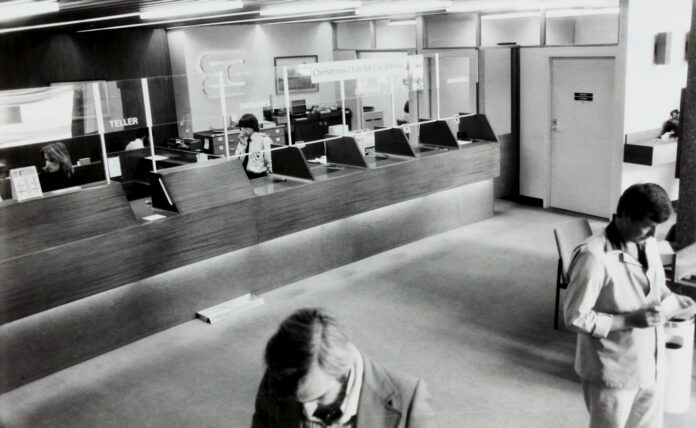
Traditional banks maintain branch locations staffed with human tellers and advisors. They typically offer a full range of products: checking, savings, CDs, mortgages, auto loans, personal loans, and investment accounts, all under one roof. You can walk in, hand someone cash, and walk out with a receipt.
Online banks operate entirely through apps and websites. They have no (or very few) physical locations. Their overhead is dramatically lower, so they offer higher APY on savings, lower (or zero) fees on checking accounts, and faster mobile features. The tradeoff is that you can’t deposit cash directly and you may not have access to a live human being when something goes wrong.
Neither type is universally better. They’re built for different situations.
Online Banks: The Advantages That Are Hard to Ignore
Higher Interest Rates on Savings
This is the biggest financial argument for online banking. As of April 2026, the best high-yield savings accounts at top online banks are paying between 4.50% and 5.00% APY. The national average for a traditional savings account sits at 0.41% APY.
Here is what that difference looks like in real money:
| Balance | Traditional Bank (0.41% APY) | Online Bank (4.75% APY) | Annual Difference |
|---|---|---|---|
| $5,000 | $20.50/year | $237.50/year | +$217 |
| $10,000 | $41/year | $475/year | +$434 |
| $25,000 | $102.50/year | $1,187.50/year | +$1,085 |
That is not a rounding error. That is real money sitting on the table. And thanks to compound interest, the gap keeps widening the longer you leave your money in a low-rate account.
Lower (or Zero) Fees
Monthly maintenance fees at traditional banks average $15 per month if you don’t meet minimum balance requirements. Most online banks charge zero banking fees and require no minimum balance to open or maintain an account. ATM fee reimbursements are also common — several online banks reimburse up to $25/month in out-of-network ATM fees.
Over a year, eliminating a $15/month maintenance fee saves $180. Combine that with the interest rate difference and the gap between online and traditional banking grows quickly. For a full breakdown of what traditional banks charge, see our guide to hidden bank fees.
Better Mobile and Digital Experience
The digital banking advantages of online-first institutions go beyond just a better-looking app. Online banks build their entire product around mobile banking from day one. The banking app is the product — not a bolt-on. Features like mobile check deposit, instant transfers, spending categorization, and real-time transaction alerts are typically more polished at digital-first banks than at traditional institutions that added these features as an afterthought.
Many online banks also offer early direct deposit (your paycheck arrives 1-2 days early), overdraft protection tools, and automatic savings features that traditional banks rarely match.
Want to see exactly how much more you could earn with a high-yield savings account? Use our free savings rate calculator to find out in 60 seconds.
Traditional Banks: Brick-and-Mortar Bank Benefits Worth Keeping
Cash Deposits and In-Person Transactions
This is the clearest limitation of online banking. If you deal in cash — tips from a restaurant job, rent payments from a tenant, weekend market sales — depositing it into an online bank is genuinely difficult. Some online banks partner with retail networks like Green Dot or AllPoint to accept cash deposits, but fees apply ($4-$5 per deposit in some cases) and locations are limited.
Traditional banks let you walk in, hand a teller cash, and be done in five minutes. For cash-heavy situations, this is invaluable.
Complex Financial Products
Mortgages, home equity lines of credit, small business loans, and SBA loans are areas where traditional banks typically have more options, more experienced loan officers, and a track record. While some online lenders have made inroads in mortgage lending, relationship banking still matters when you’re borrowing $400,000 for a house.
Having a long-standing relationship with a local bank — a history of deposits, solid account management, and a real person who knows your name — can make a real difference when you need a loan approved in a competitive situation.
In-Person Help When Things Go Wrong
When your debit card is frozen at 6pm on a Friday before a holiday weekend, being able to walk into a branch and talk to a human being is genuinely useful. Online bank customer service ranges from excellent (live chat, 24/7 phone lines) to frustrating (email only, long wait times). Traditional banks typically have phone and branch access during business hours, and for complex issues, face-to-face resolution is often faster.
Notary Services and Certified Checks
Traditional bank branches typically offer free notary services to account holders and can issue certified checks or cashier’s checks on the spot. Online banks cannot. These services come up less frequently for most people, but when you need them (closing on a house, certain legal documents), they matter.
Real Story: What Switching Banks Actually Looked Like for One Family
When Jessica and David were building their emergency fund in late 2024, they had $18,000 sitting in a traditional savings account earning 0.35% APY — about $63 per year in interest. A friend mentioned high-yield savings accounts, and Jessica spent 20 minutes one Sunday afternoon opening an account at a well-known online bank.
Within six weeks, their emergency fund was earning 4.85% APY — roughly $873 per year. They kept their checking account at their local credit union for cash deposits and everyday spending. Within three months, the extra interest paid for their car insurance renewal. The switch cost them nothing and took less time than a trip to the grocery store.
They still use their credit union. They just stopped keeping their savings there.
Online Banks vs. Traditional Banks: Side-by-Side Comparison
| Feature | Online Bank | Traditional Bank |
|---|---|---|
| Savings APY | 4.00-5.00% | 0.10-0.50% |
| Monthly Fees | $0 (most) | $10-$25 (many) |
| Minimum Balance | None (most) | $500-$1,500 (common) |
| ATM Access | Network + reimbursements | Branch ATMs |
| Cash Deposits | Limited/inconvenient | Easy |
| Overdraft Protection | Automatic (many) | Fee-based ($35/incident avg.) |
| Mobile Experience | Excellent | Varies |
| Customer Service | Phone/chat (24/7 at top banks) | Branch + phone |
| Mortgages/Loans | Limited | Full range |
| Notary Services | No | Yes |
| FDIC Insured | Yes | Yes |
| Early Direct Deposit | Often (1-2 days early) | Standard timing |
When to Choose an Online Bank
An online bank is the right primary or secondary account if:
- You rarely deal in cash. If your income is direct deposit and you pay bills digitally, you won’t miss branch access.
- You’re building an emergency fund or saving for a goal. The APY difference is significant enough to make a meaningful impact over 12-24 months.
- You want to eliminate monthly fees. If you’re paying $12-$15/month just to have a savings account, an online bank will save you money immediately.
- You value a polished mobile experience. Online banks typically invest heavily in their apps.
- You’re comfortable resolving issues via phone or chat. Top online banks have strong customer service; it just requires planning rather than walking in.
When to Stick with a Traditional Bank (or Add One)
A traditional bank or credit union makes sense as your primary institution if:
- You deposit cash regularly. Any job with cash tips, freelance payments in cash, or business cash flow makes this a real need.
- You’re planning a major loan in the next 12-24 months. Building a banking relationship ahead of a mortgage or business loan application can help.
- You need complex financial products under one roof. Business accounts, trust accounts, investment management — traditional banks often have more robust infrastructure.
- You prefer face-to-face help. Some people just want to be able to talk to someone in person. That’s a legitimate preference.
- You live in an area with poor internet connectivity. A fully digital banking experience requires reliable internet and a smartphone.
Real Story: When Online-Only Banking Created a Headache
Marcus runs a small landscaping business outside of Nashville. In early 2025, he switched all of his business banking to an online bank after reading about the fee savings. For about four months, things went well.
Then he landed a large commercial contract and needed to deposit a $12,000 check from a new client. The check had to clear before he could pay his crew.
His online bank’s mobile deposit held the full amount for 7 business days — standard policy for large checks from new payees. He couldn’t access a branch to expedite the hold. He had to ask one of his workers to wait an extra week for their pay, which damaged a relationship it took months to repair.
The lesson isn’t that online banking is bad. It’s that business cash flow with variable check sizes needs a banking solution that can handle holds and questions in person. Marcus now keeps a business checking account at a local bank and uses an online account for his personal savings.
The Hybrid Approach: Getting the Best of Both
For most people, the smartest banking strategy in 2026 isn’t choosing one or the other. It’s using both.
Here’s a simple setup that works:
- Local bank or credit union for checking. Use this for cash deposits, everyday debit card spending, and any face-to-face needs.
- Online bank for savings. Move your emergency fund, sinking funds, and any money you aren’t spending immediately into a high-yield savings account. Let it earn 10x more interest. Not sure where to start? Check out checking vs. savings account to understand which account type fits each goal.
- Set up automatic transfers. On payday, automatically move a set amount from checking to your online savings account. You won’t miss it, and it grows significantly faster.
This setup costs nothing extra. You keep the relationships and convenience of a local bank while earning dramatically more on your savings.
Ready to find the right high-yield savings account for your situation? Read our breakdown of the top online savings accounts in 2026 and compare rates, fees, and features in one place.
Frequently Asked Questions About Online Banks vs. Traditional Banks
Are online banks safe?
Yes. Legitimate online banks are FDIC-insured, meaning your deposits are protected up to $250,000 per account holder, per bank — exactly the same protection as traditional banks. Always verify that an online bank is FDIC-insured before opening an account (look for the FDIC logo or check the FDIC’s BankFind database).
What happens if an online bank goes out of business?
FDIC insurance covers your deposits up to the limit. You would receive your money back, typically within a few business days of the bank’s failure. This has happened with online banks and deposits were returned to customers without loss.
Can I get a mortgage through an online bank?
Some online banks and fintech lenders do offer mortgages, and rates can be competitive. However, the range of products is narrower and the relationship-based advantages of a local bank loan officer may matter in competitive real estate markets. Many financial experts recommend shopping both online and traditional lenders when applying for a mortgage.
How do I deposit cash into an online bank?
Options vary by bank. Some partner with Green Dot or MoneyPass retail locations to accept cash deposits (typically at CVS, Walgreens, or 7-Eleven). Others let you deposit a money order purchased with cash.
A few have no cash deposit option at all. If you regularly deal in cash, this is a critical question to research before switching.
Online bank vs. credit union: which should you choose?
Credit unions are member-owned nonprofits that often offer lower fees and better loan rates than traditional banks. Some credit unions also offer competitive savings rates. The tradeoff is that membership may require eligibility (employer, geography, or association), and digital tools vary widely. Credit unions can be an excellent middle ground if you find one with strong rates and a good banking app.
How long does it take to open an online bank account?
Most online bank accounts can be opened in 10-20 minutes using your phone. You’ll typically need your Social Security number, a government-issued ID, and a linked bank account or debit card for an initial deposit.
What are the best online banks in 2026?
The best online banks in 2026 for savings include high-yield options paying 4.50-5.00% APY with no monthly fees and no minimum balance requirements. For checking, look for accounts with ATM fee reimbursements and early direct deposit. The right choice depends on whether you prioritize the highest APY, the best banking app, or the fewest restrictions on access.
Online Banks vs. Traditional Banks: The Bottom Line
The online banks vs. traditional banks debate has a practical answer for most people: use an online bank for savings, a local bank or credit union for checking and cash needs.
The best online banks win on interest rates and fees — full stop. The difference in savings APY alone is worth hundreds of dollars per year for average savers. Traditional banks win on cash handling, in-person service, and complex loans.
You don’t have to pick a side. Open a high-yield savings account this week. Keep your local bank for everyday spending. Your savings will grow significantly faster with almost no extra effort on your part.
The gap between 0.41% and 4.75% APY isn’t a technicality. On a $15,000 emergency fund, it’s the difference between earning $61 a year and earning $712 a year. That’s real money. And the only thing standing between you and it is a 15-minute account application.
Take the first step today. Compare the top high-yield savings accounts for 2026 and find the one that fits your situation. Your future self will notice the difference.